
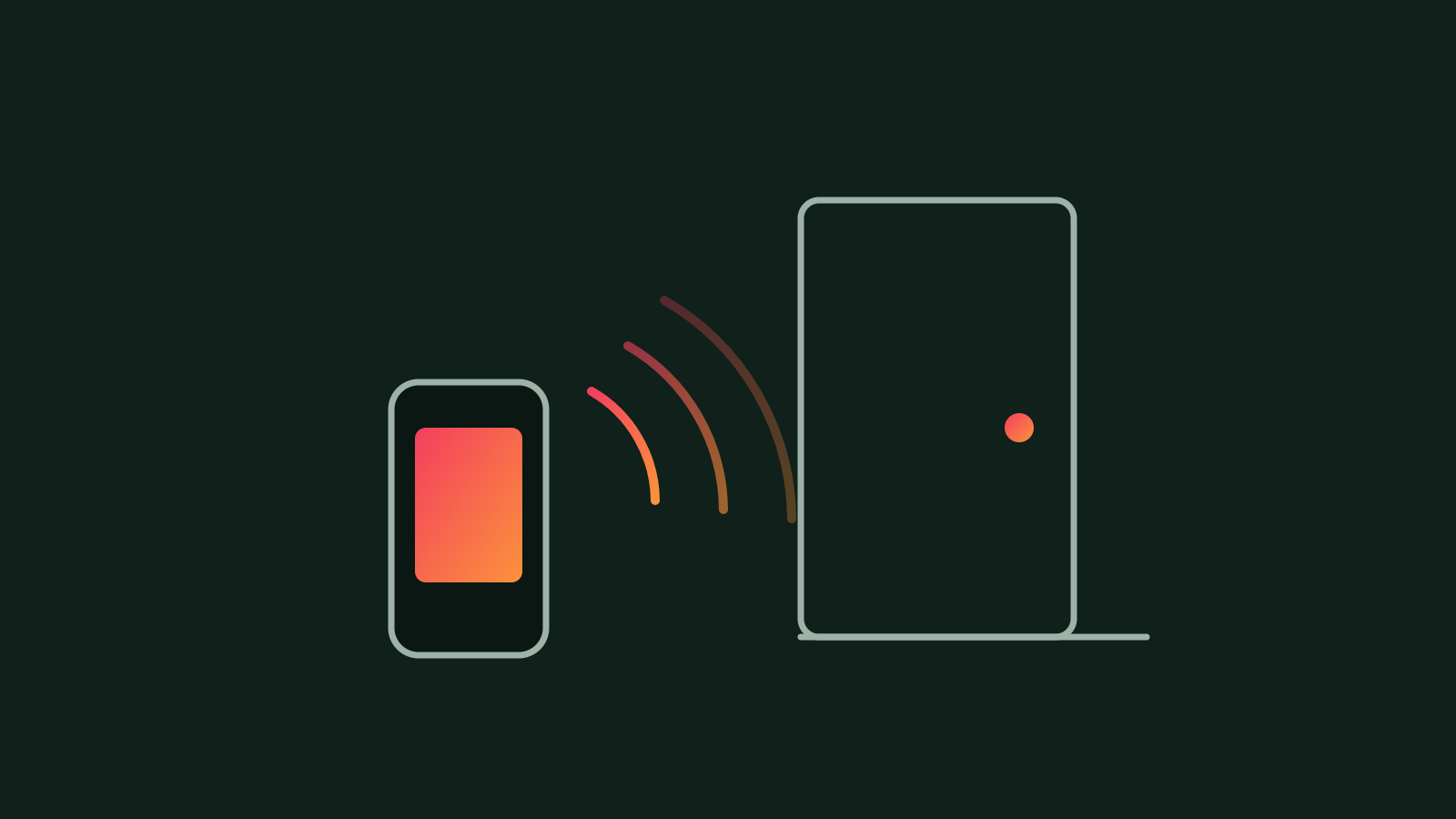
Most billiards halls need someone behind a counter: taking payments, handing out keys, watching the door. Modern Cue Club in Kelowna is being built on a different premise: members book a table from their phone, walk up to the door, and it unlocks for them. No keys, no front desk, no waiting.
We're building the system that makes that possible. This post walks through the architecture: what handles the door, what handles the bookings, and how the two talk to each other.
Quick answer: how a staffless venue works
A staffless physical venue needs three systems working as one. A member platform where people join, book, and pay. A cloud access control system (we use Kisi) that unlocks the physical door from a phone. And an admin backend where the owner manages memberships, hours, and exceptions. The glue is the booking-to-access flow: a confirmed booking automatically grants door access for exactly that time window, and nothing more.
Why Kisi for door access
You can wire a deadbolt to a Raspberry Pi and feel clever for a weekend. We do build hardware when it's the right call, but for a real venue with real liability, access control is not the place to hand-roll.
Kisi is a cloud access control platform: a controller sits in the electrical room wired to the door strike, and everything above it is software. What made it the right choice for Modern Cue Club:
- Phone unlocks. Members open the door with the Kisi app or a tap-to-unlock link. No physical keys or fobs to distribute, lose, or revoke.
- An actual API. Kisi exposes users, groups, doors, and scheduled access grants over a REST API with webhooks. That's the difference between "an access system" and "an access system your booking platform can drive."
- Time-boxed access. Grants can be scoped to a time window. That single feature is what makes booking-based entry possible.
- Audit trail. Every unlock is logged per person. In an unstaffed venue, that log is your accountability layer.
The booking-to-access flow
The core loop looks like this:
- A member books a table for, say, Tuesday 7 to 9 pm and pays through the member platform.
- The platform creates a scheduled access grant through the Kisi API: this member, front door, 6:50 pm to 9:10 pm. The buffer on each side handles early arrivals and slow goodbyes.
- The member walks up on Tuesday, taps unlock on their phone, and plays.
- When the window expires, so does their access. No cleanup job, no manual revocation.
Cancellations and no-shows work the same way in reverse: cancel the booking and the platform revokes the grant. The door is always a mirror of the booking calendar.
The member platform
Bookings are the transactional core, but memberships are the business. Modern Cue Club launched with Founding Memberships, and the platform manages the whole lifecycle: sign-up, billing, tier benefits, and the member's booking history. Different tiers can carry different privileges, like extended hours or guest passes, which translate directly into different access rules at the door.
This is the part most off-the-shelf gym software gets wrong for niche venues: the membership logic and the physical access logic live in separate products that barely talk. Building them as one system is the whole point.
The admin backend
An unstaffed venue does not mean an unmanaged one. The admin backend gives the owner:
- Membership management: approve, pause, refund, upgrade.
- The booking calendar with the ability to block time for tournaments, maintenance, or private events.
- Door overrides: unlock remotely for a delivery, or lock down outside operating hours regardless of bookings.
- The Kisi event log, so "who was in the building Tuesday night" is a query, not a mystery.
What this pattern generalizes to
Swap "billiards tables" for anything with a door and a schedule and the architecture holds: golf simulators, climbing gyms, rehearsal studios, private clinics, coworking spaces, dog wash bays. If your business model is "members book time in a physical space," the booking-drives-the-door pattern removes your single biggest operating cost, which is staffing the desk.
We wrote about the software side of this in our custom web app development work, and the automation thinking behind it in AI automation. The full product lineup, including Modern Cue Club, is on our work page.
Building something similar?
If you run, or want to run, a venue that shouldn't need a person at the door, this is exactly the kind of system we design and ship. Book a free strategy call and we'll walk through what it would take for your space.

